Are These Tires Durable Enough for Bad Roads and Potholes?
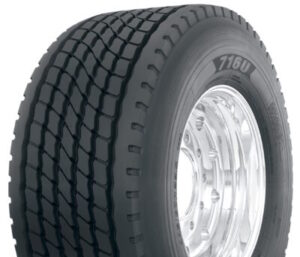
Searching for the best tires for bad roads and potholes reflects a genuine engineering concern, not just a preference. Tires optimized for smooth highway performance are deliberately built with thinner, lighter sidewalls to reduce unsprung weight and rolling resistance — characteristics that directly improve fuel economy and handling precision on good roads, but make the tire significantly more vulnerable to impact cuts, pinch flats, and sidewall ruptures on deteriorated surfaces.
If your regular driving environment includes deep potholes, unpaved sections, or construction zones, the specification to look for is reinforced sidewall tire for rough roads, often designated as Extra Load (XL) or Reinforced (RF) in the tire’s product name. These variants use a higher ply count in the sidewall construction, which resists the sharp deformation caused by edge impacts. The difference is tangible: a standard tire hitting a deep pothole at 60 km/h may pinch flat immediately; an XL-rated equivalent in the same size will often survive the same impact without damage.
Understanding the XL extra load tire vs standard distinction is also relevant for vehicles that carry heavy loads or tow trailers, as XL tires support a higher maximum load index than their standard-rated equivalents in the same size. For general durability on poor roads without a load-carrying requirement, all-terrain tires designed for light SUV and crossover applications offer a practical middle ground: meaningfully tougher sidewall protection than a standard passenger tire, without the noise and rolling resistance penalty of a full off-road tire. When researching specific models, prioritize reviews from drivers who mention road conditions similar to yours over aggregate ratings that reflect a mix of driving environments.


 06Mar
06Mar